Samsung Forecasts Record Q3 2026 Profit as AI Chip Demand Reshapes Its Business
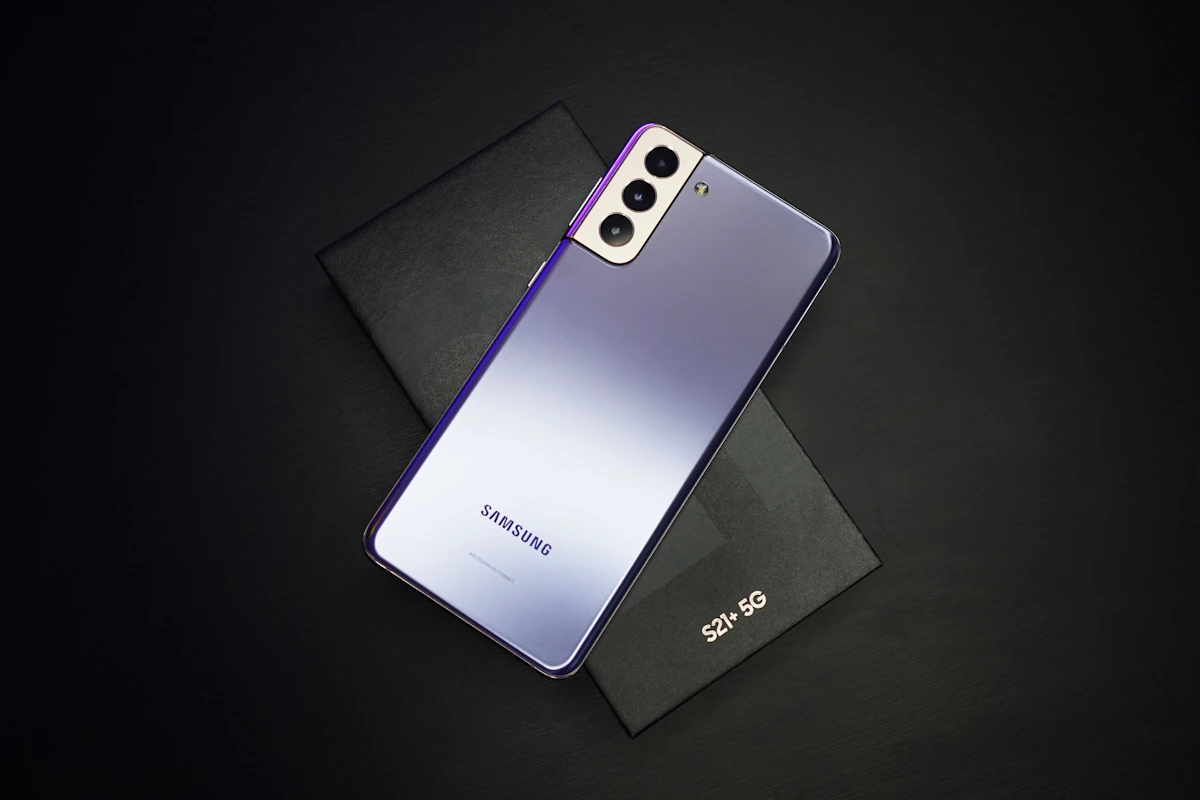
Samsung Electronics has issued preliminary earnings guidance for the third quarter of 2026, projecting consolidated revenue of approximately KRW 195 trillion and operating profit of KRW 107.4 trillion. Announced on October 8, the estimates cover the July-to-September period and represent a substantial increase from the company's results a year earlier.
According to Samsung's official earnings guidance, the figures are based on Korean International Financial Reporting Standards (K-IFRS). They are preliminary estimates released before completion of the company's full financial closing process, rather than final audited results.
How Much Has Samsung's Performance Improved?
The scale of the projected improvement becomes clearer when the latest guidance is compared with the previous quarter and the same quarter of 2025.
| Financial measure | Q3 2025 | Q2 2026 | Q3 2026 guidance |
|---|---|---|---|
| Consolidated revenue | KRW 86.06 trillion | KRW 171.5 trillion | KRW 195 trillion |
| Operating profit | KRW 12.17 trillion | KRW 89.49 trillion | KRW 107.4 trillion |
Based on these figures, projected revenue is approximately 13.7% higher than in Q2 2026 and 126.6% higher than in Q3 2025. Operating profit is projected to rise approximately 20.0% quarter on quarter and 782.5% year on year.
These growth rates are calculated from Samsung's published figures and rounded to one decimal place. Because Q3 figures remain preliminary, the calculations should also be treated as indicative until the full results are released.
Why the Semiconductor Business Matters
Demand for memory used in artificial intelligence infrastructure is an important part of the wider industry backdrop. AI servers require memory and other semiconductor components to process and move large volumes of data. High-bandwidth memory (HBM), in particular, is an important component in advanced AI computing systems.
Reuters reported that strong demand for AI-related chips and memory products was a major factor behind Samsung's projected profit surge. The company's second-quarter results also showed that its Device Solutions division, which includes semiconductors, generated KRW 127.5 trillion in revenue and KRW 89.2 trillion in operating profit. Its Memory Business recorded record quarterly revenue and operating profit in that period.
However, the Q3 preliminary guidance does not provide a full breakdown of revenue and profit by business division. It would therefore be premature to attribute the entire projected increase to HBM, AI chips or any single product category. The final report should clarify how much of the improvement came from memory, other semiconductor operations, mobile devices and consumer electronics.
A Strong Forecast Does Not Automatically Mean the Market Is Satisfied
One important distinction is the difference between financial growth and performance relative to market expectations. Samsung's preliminary figures are exceptionally strong compared with its previous results, but analysts do not always use the same forecasting methodology or consensus estimates.
Reuters reported that Samsung's projected operating profit was slightly above the LSEG SmartEstimate of KRW 106.1 trillion. By contrast, an Investopedia report citing Visible Alpha put consensus estimates at KRW 205.26 trillion for revenue and KRW 112.73 trillion for operating profit, both above Samsung's guidance.
These figures should not be treated as a direct contradiction without considering the different data providers and their underlying analyst samples. They illustrate why financial news should identify the consensus source when describing results as a beat or a miss. A company can deliver extraordinary year-on-year growth while still falling short of one set of expectations.
The Risks Behind the AI-Driven Earnings Boom
Samsung's guidance points to strong demand, but a large profit increase in a cyclical industry does not guarantee that the same growth rate will continue. Semiconductor earnings can change as supply expands, customer investment plans shift, product prices fluctuate or competing technologies gain ground.
Investors should therefore distinguish between current earnings strength and the durability of those earnings. Relevant indicators include memory contract prices, HBM production and customer qualification, capital expenditure, inventory levels, and the profitability of Samsung's other business divisions.
There is also a wider industry consideration: when AI infrastructure investment accelerates, semiconductor suppliers can benefit from stronger demand, but higher component costs may put pressure on manufacturers of smartphones and other consumer devices. The effect on Samsung's consolidated results depends on how gains in one division compare with costs and performance elsewhere.
What the Final Results Need to Clarify
Samsung's full Q3 2026 results are expected on October 29, according to reporting published after the preliminary guidance. The detailed release should provide a better basis for assessing the quality of the earnings increase.
- Business-segment contribution: How much revenue and operating profit came from memory and other semiconductor operations compared with mobile devices and consumer electronics?
- Profitability and pricing: Did stronger selling prices, product mix, shipment volumes or cost changes contribute most to the increase?
- Forward guidance: Does management expect demand and pricing conditions to remain strong in the next quarter?
- Capital spending and supply: How is Samsung preparing capacity for AI-related demand, and what could additional industry supply mean for future margins?
These questions matter more than the headline growth rate alone. A detailed breakdown can help readers distinguish between a temporary cyclical windfall and an earnings improvement supported by durable competitive advantages.
Editorial Assessment
Samsung's Q3 guidance is a significant indicator of the commercial impact of AI infrastructure investment on the semiconductor industry. The projected operating profit of KRW 107.4 trillion represents a dramatic increase from the previous year and exceeds KRW 100 trillion for the first time in the company's quarterly guidance.
Yet the most useful conclusion is not simply that Samsung is performing well. The scale of its projected earnings also raises questions about how dependent the company is on strong memory pricing, whether the improvement is broadly distributed across its businesses, and how long current demand conditions can be sustained.
Until the detailed financial statements are published, the figures should be described as preliminary guidance. The final report will determine whether the headline performance is matched by strong underlying results across the company's major divisions.
Sources and References
- Samsung Electronics, Samsung Global Newsroom. "Samsung Electronics Announces Earnings Guidance for Third Quarter 2026." October 8, 2026. Official Q3 2026 guidance.
- Samsung Electronics, Samsung Global Newsroom. "Samsung Electronics Announces Second Quarter 2026 Results." July 30, 2026. Official Q2 2026 results.
- Samsung Electronics, Samsung Global Newsroom. "Samsung Electronics Announces Earnings Guidance for Third Quarter 2025." October 14, 2025. Q3 2025 comparison.
- Reuters. "Samsung flags $80 billion profit on AI boom, highest quarterly for any tech company." October 8, 2026. Reuters report republished by Investing.com.
- Investopedia. "The Memory Trade Cools After Samsung's Preliminary Results Disappoint." October 2026. Analysis of market expectations.
Editorial note: Financial figures are preliminary estimates unless explicitly identified as reported results. Percentage changes are calculated from the figures cited above. Analyst expectations vary by data provider and should be attributed to their respective sources. This article is for news and informational purposes, not investment advice.
Source: GSMArena